Finance News International

@2026 Finance News International. All Rights Reserved.

Blends Media
A Blends Media Group Production

Microsoft and HUMAIN Expand Saudi AI Collaboration with ALLAM

Arry Hashemi
Arry Hashemi
Aug. 27, 2026
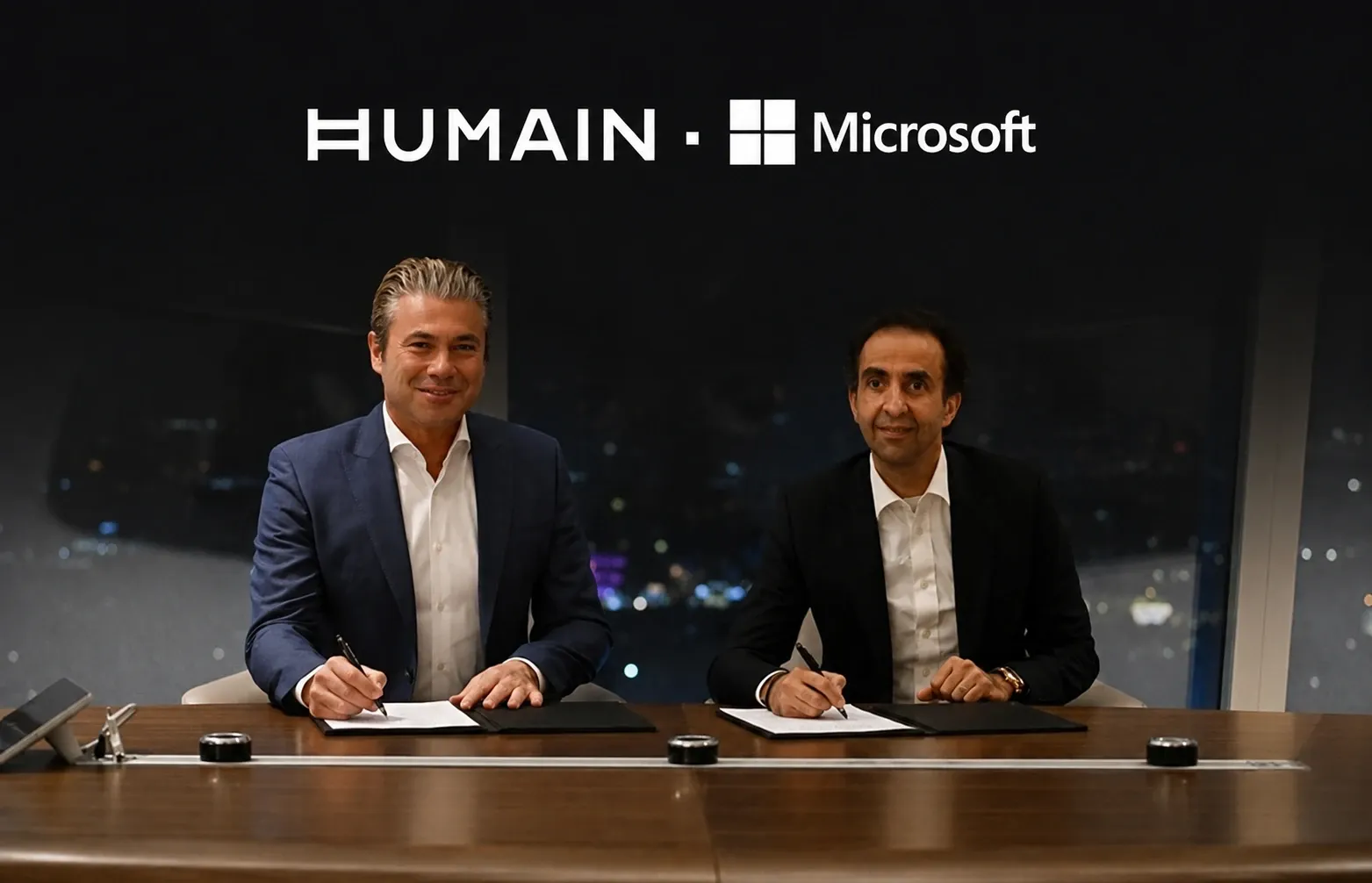
Microsoft and HUMAINHUMAIN and Microsoft plan to bring the Arabic-language ALLAM models to Microsoft’s AI ecosystem while pairing their engineers to help organizations develop and deploy AI applications. (Image source: PR Newswire)

Saudi Arabia’s HUMAIN and Microsoft have outlined the first phase of a long-term collaboration centered on bringing HUMAIN’s Arabic-language ALLAM models into Microsoft’s artificial intelligence ecosystem and providing hands-on engineering assistance to organizations deploying AI.

Under the plan, the companies intend to make ALLAM available through Microsoft Foundry, the technology group’s platform for building, customizing and managing AI applications and agents. Organizations would be able to use the models when developing services that need to process Arabic or respond to regional language and business requirements.

The proposed integration would also extend to Microsoft 365 Copilot. HUMAIN and Microsoft said organizations could create specialized agents that combine ALLAM’s Arabic-language capabilities with workplace applications and business processes.

Engineers Will Work Alongside Customers

A second part of the arrangement pairs HUMAIN’s AI specialists with Microsoft Forward Deployed Engineers. These teams are expected to work directly with organizations to identify potential uses for AI, connect the technology with existing workflows and help move projects from testing into production.

Their work will not be confined to ALLAM. The announcement says the engineers will support deployments across a range of Microsoft technologies and customer environments, including the configuration and optimization of AI systems. This approach puts implementation support alongside access to the underlying model, addressing the technical and organizational work that often follows an initial AI pilot.

HUMAIN Chief Executive Tareq Amin said: “This collaboration begins with plans to bring ALLAM to a number of key Microsoft AI solutions, and this is just the first step. Over the coming months, HUMAIN and Microsoft intend to introduce a much broader set of capabilities that expand how organizations build, deploy, and scale AI. What you'll see at LEAP is the next generation of enterprise AI integration.

“By combining Microsoft's global platform with HUMAIN's AI capabilities and forward-deployed engineering expertise, we're creating practical solutions that help enterprises accelerate AI adoption and deliver real business impact. This announcement is only the beginning,” he added.

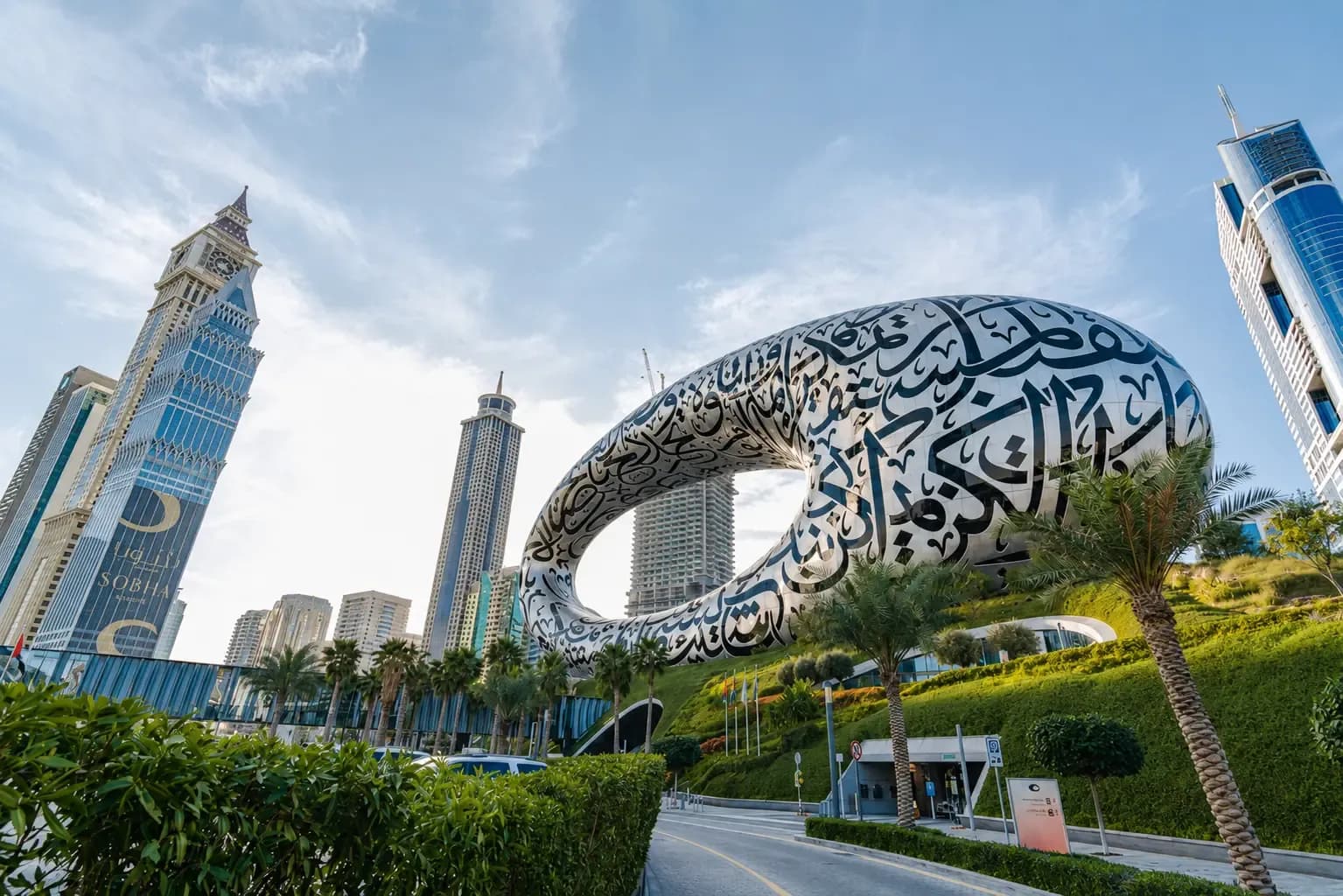
Saudi ArabiaThe collaboration strengthens Saudi Arabia’s expanding AI ecosystem by combining HUMAIN’s regional capabilities with Microsoft’s enterprise technology. (Pixabay)

Saudi Arabia Expands Its AI Infrastructure

The collaboration comes as Saudi Arabia directs capital and institutional support toward developing domestic AI capacity. HUMAIN was launched by the Public Investment Fund in May 2025 to operate across data centers, cloud infrastructure, AI models and applications. PIF’s portfolio information describes the company as an attempt to build capabilities across the full AI technology stack rather than concentrate on a single product.

ALLAM predates HUMAIN’s launch and has formed part of Saudi Arabia’s effort to improve the availability of generative AI in Arabic. The Saudi Data and AI Authority previously described ALLaM as a Saudi-developed system designed to answer questions across different fields in Arabic. Its proposed addition to Microsoft’s platforms could broaden access among developers and organizations already using Microsoft software, but its performance and adoption in those environments will depend on the eventual technical and commercial terms.

Microsoft is separately preparing to make its Saudi Arabia East cloud region available in the fourth quarter of 2026. The region will contain three availability zones in the Eastern Province and is intended to let public- and private-sector customers run eligible cloud and AI workloads locally. Local infrastructure could become relevant to organizations with latency, resilience, regulatory or data-residency requirements.

Broader Cooperation Remains Under Consideration

Microsoft and HUMAIN said they may later widen their work into productivity software, devices, models, infrastructure and joint market initiatives. The phrasing is forward-looking: the announcement records areas the companies plan or intend to explore, not products or investments that have already been delivered.

A broader relationship could connect HUMAIN’s Arabic models and applied engineering teams with Microsoft’s enterprise customer base and cloud products. From Microsoft’s perspective, adding a regional language model offers customers another option for building Arabic-language systems. HUMAIN, meanwhile, gains a possible distribution channel through software and development platforms already used by companies and government bodies.

The collaboration begins with plans to bring ALLAM into Microsoft’s AI ecosystem and provide organizations with direct engineering support. It also provides a foundation for potential cooperation across productivity tools, devices, AI models and infrastructure.